snıff

Labrador Retriever

1,610 Labrador Retrievers in the atlas. Every number on this page has a source.

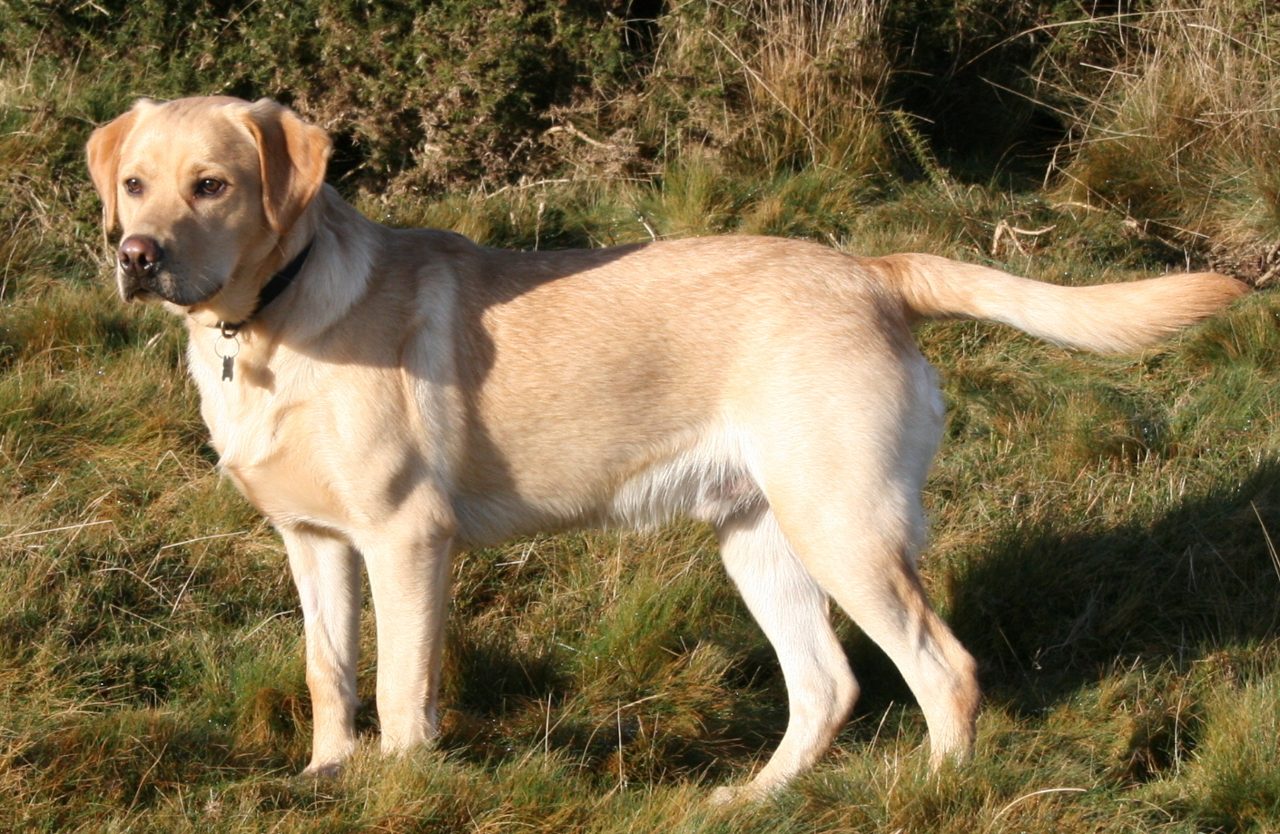
The Labrador Retriever is one of the world's most popular breeds for a reason. They are boundless optimism, unwavering loyalty, and pure joy, all wrapped

What the atlas says about Labrador Retriever

In the atlas, the Labrador Retriever clusters consistently as Labrador Retriever (100% of the 1610 dogs here).

Low breed predictability score (0.10), individual dogs of this breed vary widely in genetics, suggesting active substructure or sub-population diversity. Well-sampled in CanVAS: 1,610 dogs.

Closest genetic neighbors in the atlas: Curly Coated Retriever, Bouvier Des Flandres, Peruvian Inca Orchid, Rhodesian Ridgeback, and village dog Nz North.

Median lifespan is 13.1 years, slightly longer than expected for the breed size (30.5 kg).

Genetic dimensions · CanVAS atlas

What the genome says about Labrador Retriever

Computed from the 18,477 research dogs in the Atlas.

Dogs in the Atlas
1,610Founders
726 from Wiener, 635 from Hayward2016, 126 from Momozawa
Genetic diversity
0.32Moderate
Mean heterozygosity across the breed. Ranks 66th most genetically tight of 107 ranked breeds.
Cluster structure
Splits into two genetic sub-populations
Intra-breed RMS distance: 59.87 · likely working/show-line, regional, or kennel lineage split.
Nearest genetic relatives
  1. Curly Coated Retriever3.13
  2. Bouvier Des Flandres4.58
  3. Peruvian Inca Orchid5.55
  4. Rhodesian Ridgeback6.12
  5. Village Dog Nz North6.22
Top-10 PC corrected Euclidean. Lower = closer.
How long they live
13.1years (atlas median)
Trait genetics
Allele frequencies at named morphology loci

Frequency of the alternate allele in this breed at each locus's representative SNP.

Body size
IGF154%
HMGA254%
SMAD287%
LCORL98%
STC254%
ADAMTS1757%
Leg length
FGF4·CFA1888%
FGF4·CFA1277%
Coat
RSPO232%
FGF554%
KRT7196%
MC1R56%
Ear set
MSRB355%
Skull shape
BMP354%
SMOC289%
What you see when you look at a Labrador Retriever

What does the genome say about how a Labrador Retriever looks?

Labrador Retrievers look the way they do because of a small set of fixed and near-fixed morphology genes that, taken together, define the visible breed. Each translation below pairs the gene with the trait an owner actually sees, the breed's allele frequency at that locus, and a one-clause causal phrase.

Size and build

IGF1 sits at 54% for the small-body allele. IGF1 is the gene that sets dog body size from Chihuahua to Great Dane. Intermediate frequencies typically keep a breed in the mid-sized range rather than tipping toward the larger working forms.

HMGA2 sits at 54%. HMGA2 is a chromosome-10 size locus that acts together with IGF1, and intermediate frequencies reflect partial commitment to the dominant size variant.

SMAD2 is near-fixed at 87%, a chromosome-7 height locus differentiating small from giant breeds.

LCORL is near-fixed at 98%, the NCAPG/LCORL height locus that is one of the strongest single contributors to canine body size.

STC2 sits at 54%.

ADAMTS17 sits at 57%. ADAMTS17 is a body-size locus also linked to lens disorders.

Leg length

The FGF4 retrogene on chromosome 18 is near-fixed in this breed at 88%. This is the leg-length variant. The breed is fully committed to the long-legged form rather than the short-legged Corgi-and-Dachshund body plan.

The FGF4 retrogene on chromosome 12 sits at 77%, the chondrodystrophic variant.

Coat type, length, and color

RSPO2 sits at 32% for the furnishings variant. Furnishings (the eyebrow-and-mustache pattern seen in Schnauzers and Wheaten Terriers) vary across the population at this intermediate frequency, and visible expression depends on the specific allele combination each dog carries.

FGF5 sits at 54% for the long-coat variant. Coat length is influenced by other loci as well, so intermediate FGF5 frequencies do not always correspond to intermediate visible coat lengths.

KRT71 is near-fixed at 96% for the wavy/curly variant. Coat curl phenotype varies across breeds at this fixation depending on modifier loci, and visible expression is not always curled even when the locus is fixed.

MC1R sits at 56% at the representative SNP. MC1R controls the switch between red-to-gold pigment and black-to-brown pigment, with the e/e homozygous genotype producing the gold-to-red spectrum. Substrate frequencies at this SNP depend on the array's polarity, so visible coat color in the breed is a more reliable indicator than this single number.

Ears

MSRB3 sits at 55% for the drop-ear allele, which is why ear set varies across the breed.

Skull shape

BMP3 sits at 54%, contributing to the breed's moderate, mesaticephalic head shape rather than the extreme brachycephalic form.

SMOC2 is at 89%, the major locus contributing to the breed's brachycephalic face shape.

Mendelian-disease genetics

What genetic diseases do Labrador Retrievers carry?

From a panel of 250 Mendelian-disease variants screened in 1,054,293 dogs (Donner et al. 2023), Labrador Retrievers carry 48 of them at observable frequency. Carrier frequency is not clinical risk. Most recessive variants require two copies for disease expression; many dominant variants show incomplete penetrance. Read this as a population fingerprint of what's in the gene pool, not a per-dog prediction.

n = 16,856 dogs · 1 variant tested · OMIA:002179-9615 · omia.org →
Exercise-Induced Collapse (EIC)
Autosomal recessive (Incomplete penetrance)
moderate 10.6%
n = 16,853 dogs · 1 variant tested · OMIA:001466-9615 · omia.org →
n = 16,825 dogs · 1 variant tested · OMIA:001298-9615 · omia.org →
Skeletal Dysplasia 2 (SD2)
Autosomal recessive
low 0.85%
n = 16,856 dogs · 1 variant tested · OMIA:001772-9615 · omia.org →
Degenerative Myelopathy (DM)
Autosomal recessive (Incomplete penetrance)
low 0.58%
n = 16,855 dogs · 1 variant tested · OMIA:000263-9615 · omia.org →
n = 16,758 dogs · 1 variant tested · OMIA:000157-9615 · omia.org →
n = 16,856 dogs · 2 variants tested · OMIA:001928-9615 · omia.org →
n = 16,856 dogs · 1 variant tested · OMIA:001588-9615 · omia.org →
Cone-Rod Dystrophy (cord1-PRA/crd4)
Autosomal recessive (Incomplete penetrance)
low 0.18%
n = 16,829 dogs · 1 variant tested · OMIA:001432-9615 · omia.org →
Collie Eye Anomaly (CEA)
Autosomal recessive
low <0.1%
n = 16,856 dogs · 1 variant tested · OMIA:000218-9615 · omia.org →
Canine Scott Syndrome (CSS)
Autosomal recessive
low <0.1%
n = 16,855 dogs · 1 variant tested · OMIA:001353-9615 · omia.org →
Hyperuricosuria (HUU)
Autosomal recessive
low <0.1%
n = 16,856 dogs · 1 variant tested · OMIA:001033-9615 · omia.org →
Cystinuria Type I-B (SLC7A9 p.A217T)
Autosomal recessive (Incomplete penetrance)
low <0.1%
n = 16,856 dogs · 2 variants tested · OMIA:001880-9615 · omia.org →
n = 16,853 dogs · 1 variant tested · OMIA:001402-9615 · omia.org →
n = 16,856 dogs · 2 variants tested · OMIA:000162-9615 · omia.org →
low <0.1%
n = 16,855 dogs · 1 variant tested · OMIA:001057-9615 · omia.org →
n = 16,856 dogs · 2 variants tested · OMIA:000703-9615 · omia.org →
Plus 28 more at lower frequency. Full table available via the API when shipped.
Source: Donner J et al. 2023. Frequencies of inherited disease variants in dogs. PLOS Genetics 19(2):e1010651 · Evidence: Limited (DTC ascertainment, tag-SNP proxy) · Confounding MEDIUM · License CC-BY-4.0 · Phene IDs from OMIA (Sydney School of Veterinary Science, The University of Sydney; DOI 10.25910/2AMR-PV70).
Sample size in this breed: 16,856 dogs from the Donner 2023 cohort.

Labrador Retriever Dog Food: What Owners Need to Know

The Labrador Retriever is one of the world’s most popular breeds for a reason. They are boundless optimism, unwavering loyalty, and pure joy, all wrapped in a perpetually wagging package. Bred for long days in the field and water, their athletic heritage gave them a sturdy build, high energy, and an appetite to match.

Here is the good news that most breed guides skip: the single most powerful factor influencing a Lab’s long-term health is also the one you, as an owner, have the most control over. A landmark 14-year study of Labradors found that dogs kept at a lean body weight lived a median of 1.8 years longer. This isn’t a burden, it’s an opportunity. It’s a clear, data-backed tool you can use every day to give your dog a longer, more comfortable life.

This guide gives you that tool. We’ll break down the science of feeding a Lab, from their crucial puppy months to their golden senior years, so you can feel confident and prepared.

Last Verified: May 25, 2026 · 13 minute read · Methodology


TL;DR

Labrador owners who master weight management give their dogs a powerful advantage for a longer, more comfortable life.

The evidence is clear. The Purina Lifespan Study, a 14-year project with 48 Labrador Retrievers, showed that dogs on a lean feeding plan not only lived 1.8 years longer on average, but also delayed the onset of chronic diseases. This finding provides a blueprint for a healthier life with your dog.

For a breed with a high predisposition to joint issues, every extra pound adds stress and accelerates wear and tear. Sniff recommends a diet that makes maintaining a lean body condition straightforward, focusing on high-quality protein to support muscle. This is the foundation of building a resilient, healthy Labrador. You can find our ranked list of foods that meet these criteria in our guide to the best dog food for Labrador Retrievers.


What makes feeding a Labrador different

Labrador Retrievers are members of the Sporting Group, bred for active work retrieving game. This history created a dog with high energy, a robust build, and an impressive appetite. Today, most Labs are professional family members, and their nutritional needs are shaped by the difference between their genetic capacity for work and their modern lifestyle.

They are large, active dogs who require substantial nutrition, but their famous food motivation makes them very easy to overfeed. A generic “large breed” dog food doesn’t always account for the Lab’s specific metabolic profile and orthopedic health. Feeding a Lab is about precisely managing the engine of a high-performance athlete, ensuring it gets the right fuel for the life it lives today.

The health profile: what you can actually influence

Orthopedic Health: Hips and Elbows

Joint health is a primary consideration for the breed, and it’s an area where nutrition has a direct impact. The Orthopedic Foundation for Animals (OFA) database shows that based on 147,706 evaluations, 11.4% of Labrador Retrievers have hip dysplasia OFA.

Elbows are also a key area of focus. The OFA reports that 10.1% of Labs show evidence of elbow dysplasia, based on 103,130 evaluations OFA. Those numbers sound high, and they are. But the single most effective tool for managing this risk is maintaining a lean body condition throughout your dog’s life. Less weight means less daily stress on these important joints, which is a powerful lever you control at every meal.

Cardiac Health and DCM

Labrador Retrievers were one of the breeds mentioned in the FDA’s investigation into a potential link between certain diets and dilated cardiomyopathy (DCM). They were the third most-reported breed, with 91 cases noted in the agency’s 2019 update FDA, 2019.

The science on this topic is still developing, and a report does not prove causation. However, this signal informs our recommendation to favor well-researched, grain-inclusive formulations for the breed. For a thorough look at what the research says, please read our guide on grain-free diets and DCM.

Other Noteworthy Conditions

Puppy years: building the strongest possible foundation

The first two years of your Labrador’s life are a window of opportunity to build a strong skeletal frame for the future. The goal is slow, steady growth, not rapid bulking up. Getting this right gives your puppy the best chance at strong, well-formed joints for life.

For large-breed puppies like Labs, controlling calcium intake is essential. Research shows that excessive dietary calcium, specifically levels above 1.5% on a dry matter basis, is a risk factor for developmental orthopedic diseases. Think of it like building a house: the materials need to be added at the right pace to create a stable structure.

Look for a puppy food specifically formulated for large breeds. These foods are engineered with the right mineral levels and energy density. According to AAFCO nutrient profiles, the acceptable range for calcium in a growth diet is 1.2% to 2.5% on a dry matter basis, with a calcium-to-phosphorus ratio between 1:1 and 2:1 AAFCO, 2024. A quality large-breed puppy food will also have a moderate energy density, typically between 3.5 and 4.0 kcal/g, to support healthy growth without the rapid weight gain that stresses developing joints.

Adult years

For an adult Labrador, the mission is clear: maintain a lean body condition. The American Kennel Club breed standard calls for a weight of 65 to 80 pounds for males and 55 to 70 pounds for females AKC. A scale, however, is less important than a visual and hands-on assessment. You should be able to easily feel your dog’s ribs under a thin layer of covering, and they should have a visible waist when viewed from above.

This is where the findings from the 14-year lifespan study become your daily practice. That study showed that feeding 25% fewer calories than a control group resulted in a median 1.8-year increase in lifespan. This requires using a measuring cup, feeding distinct meals rather than free-feeding, and accounting for treats in their total daily calorie intake. A food with high-quality protein from sources like chicken meal or fish meal will help maintain the muscle mass that supports their joints and metabolism.

Senior years: strength through smart nutrition

As your Labrador enters their senior years, typically around age 7 or 8, their nutritional needs shift. Their metabolism may slow and activity levels might decrease, but their need for high-quality protein actually increases. This is to combat sarcopenia, the age-related loss of muscle mass.

The old idea that senior dogs need low-protein diets is outdated and counterproductive. Less muscle means less support for aging joints and a weaker frame. The NRC recommends a minimum of 2.5 grams of protein per kilogram of body weight for senior dogs, and optimal levels are likely higher. For a 70-pound Lab, that’s at least 80 grams of protein per day.

For Labs showing signs of osteoarthritis, diet can provide significant support. One study showed that a diet containing 3.5% EPA and DHA, the omega-3 fatty acids found in fish oil, significantly improved the ability of arthritic dogs to rise from a resting position after 90 days. This makes a strong case for choosing a senior food rich in these specific fatty acids.

What Sniff recommends and why

For Labrador Retrievers, we recommend a diet that is calorie-controlled, rich in high-quality animal protein, and contains functional ingredients to support joint health. Given the breed’s inclusion in the FDA’s DCM report, we also apply a layer of precaution around diets high in peas and other pulse ingredients.

Specifically, for adult Labs, we prioritize foods that help maintain a lean body condition, as this is the most evidence-backed intervention for increasing lifespan and healthspan. For puppies, a large-breed puppy formula with a dry matter calcium content between 1.2% and 1.5% is essential. For seniors, we look for elevated protein levels and therapeutic doses of omega-3s from sources like fish oil.

The data on weight management is too powerful to ignore. The best food for your Lab is one that allows you to easily control their calorie intake while providing the protein and micronutrients they need to thrive. For our specific, data-backed product recommendations, see our list of the best dog foods for Labrador Retrievers.

What we don’t know

The science of dog nutrition is always evolving, and there are still open questions. For Labradors, some of the most significant questions are about the “why” behind certain well-documented correlations.

For instance, a major UK study found that chocolate-colored Labs have a 10% shorter median lifespan than their black or yellow counterparts (10.7 years vs 12.0 years) McGreevy et al., 2018. We know this correlation exists, but we don’t fully understand the genetic or environmental reasons for this difference.

Similarly, while the FDA has identified Labrador Retrievers as a frequently reported breed for diet-associated DCM, the exact cause and mechanism of the disease remain under active investigation. We don’t have a definitive answer on which specific ingredients or formulations are problematic, which is why we take a precautionary stance based on the available data. Finally, neoplasia, or cancer, is a significant cause of mortality in the breed, accounting for 17.6% of deaths in one study. There are currently no evidence-based dietary strategies specifically proven to prevent cancer in Labs.

Frequently asked questions

What is the best dog food brand for a Labrador Retriever? No single brand is best. Focus on foods that are calorie-controlled, high in protein, and meet the criteria for your dog’s life stage. You can find our top-ranked products on our list of the best dog foods for Labrador Retrievers.

Is a grain-free diet safe for my Labrador? This requires careful consideration. Because Labs are one of the top breeds reported in the FDA’s investigation into diet-associated DCM, we recommend a cautious approach. Our DCM guide explains this in detail.

When should I switch my Labrador to a senior food? Base the switch on your individual dog. When you notice signs of slowing down or joint stiffness, typically around age 7-8, it’s time to discuss a switch with your vet. Look for a food with higher protein and joint support, as explained in our methodology.

Should I feed my Labrador a raw diet? Raw diets have passionate advocates but also carry risks of nutritional imbalance and bacterial contamination. Sniff considers raw diets a controversial ingredient choice that requires significant owner expertise to be done safely and correctly.

What ingredients should I avoid in my Lab’s food? Instead of focusing on what to avoid, focus on what should be included. Look for a clearly named protein source, like chicken or lamb meal, as the first ingredient, and avoid foods with empty calories or poorly defined ingredients.

How often should I feed my Labrador? Feed adult Labs twice a day. This helps manage hunger, supports steady energy, and makes it easier to control portions, which is critical for this breed. Our methodology details the benefits of scheduled feeding.

Does my Labrador need joint supplements? A high-quality diet may provide enough support. Diets with at least 3.5% EPA and DHA from sources like fish oil have been shown to help with arthritis. Your vet may recommend additional supplements for dogs with diagnosed joint disease.


The bigger picture

The Labrador Retriever has been America’s most popular dog for decades because they bring an incredible amount of joy and friendship into our homes. Their defining characteristic is a bottomless capacity for love, closely followed by a bottomless appetite.

Feeding a Lab well is one of the most straightforward ways to honor what they give you. The research is clear on what helps: the right minerals during growth, a lean body condition in adulthood, and strong protein in their senior years. You don’t need a veterinary degree to get this right. You just need the information, and now you have it.

Every measured meal you put in their bowl is compounding. It’s supporting the joints that will carry them on walks for years. It’s fueling the muscles that keep them comfortable and mobile. It’s a quiet, daily investment in the dog who gives you their all.

You know what your Lab needs. Trust that.


Last Verified: May 25, 2026. This page is informational and does not constitute veterinary advice. If your Labrador Retriever has a health condition, consult a veterinarian, ideally one who is board-certified in internal medicine (DACVIM) or nutrition (DACVIM-Nutrition). Read our full methodology and our the Pledge.

The data behind this page

Where every number on this page came from.

This page draws on three primary data sources. Carrier frequencies for the Mendelian section come from Donner et al. 2023 (CC-BY-4.0). We grade these data at evidence Limited because the cohort is a direct-to-consumer ascertainment, which biases toward owners who chose to test their dogs. The panel also uses tag-SNP proxies for some variants rather than direct causal-variant assays. Limited is a study-design grade, not a quality grade: the Donner cohort is the largest open canine-genotype dataset in existence and we are grateful for it. We rate the confounding MEDIUM.

Population-genetic dimensions (heterozygosity, intra-breed PCA distance, nearest neighbors, trait-locus frequencies) come from CanVAS (Brundage 2026), harmonized through the Sniff Atlas. The exact release date and verification commit are pinned at the bottom of the page so a researcher can trace a number back to a specific snapshot. The disease-gene-variant graph comes from OMIA (Online Mendelian Inheritance in Animals; Nicholas, Tammen, and the Sydney Informatics Hub at the Sydney School of Veterinary Science, The University of Sydney; retrieved April 2026, DOI 10.25910/2AMR-PV70).

What this page does not yet have. Inheritance modes and per-disease penetrance evidence from Donner 2023 are now in the structured data for every variant the panel covers. Mondo, OMIM, Ensembl, and HGNC cross-references on gene pages remain pending — they arrive in December 2026 alongside the imputed 9.67M-variant CanVAS dataset via the OMIA SQL dump absorption. Until then, gene IDs carry NCBI Gene and OMIA phene URLs only; the wider human-homolog and disease-ontology cross-reference set fills in with that release.

How to cite this page. The computed dimensions on this page are derived from the open Sniff Atlas v1.0.1 (Gehring 2026, doi:10.5281/zenodo.20566358, CC-BY 4.0). Full citation formats including BibTeX, RIS, and CITATION.cff at sniff.world/cite.

Add your labrador retriever to the atlas

We have 1,610 labrador retrievers. We do not have yours.

Every labrador retriever added sharpens the breed's genetic neighborhood. Enrollment is free. The data stays open. The star is permanent.

Want to wait for DNA uploads?

Leave your email and we'll let you know the moment DNA uploads open for Labrador Retrievers.

References
  1. Donner J, Anderson H, Davison S, et al. (2023). Frequency and distribution of 152 genetic disease variants in over 1,000,000 mixed-breed and purebred dogs. PLOS Genetics 19(2):e1010651. doi:10.1371/journal.pgen.1010651
  2. Brundage J, et al. (2026). CanVAS: a harmonized canine variant atlas. bioRxiv. doi:10.64898/2026.04.13.718238
  3. Nicholas, F.W., Tammen, I., & Sydney Informatics Hub. (2026). Online Mendelian Inheritance in Animals (OMIA) [dataset]. The University of Sydney. https://omia.org. doi:10.25910/2AMR-PV70 (retrieved April 2026).
Last updated
Sources: CanVAS (Brundage 2026) · Donner 2023 · OMIA